Daily Shaarli

A UI design case study to redesign an example user interface using logical rules or guidelines
Use space to group related elements
Be consistent
Ensure similar looking elements function similarly
Create a clear visual hierarchy
Remove unnecessary styles
Use colour purposefully
Ensure interface elements have a 3:1 contrast ratio
Ensure text has a 4.5:1 contrast ratio
Don’t rely on colour alone as an indicator
Use a single sans serif typeface
Use a typeface with taller lower case letters
Limit the use of uppercase
Use regular and bold font weights only
Avoid pure black text
Left align text
Use at least 1.5 line height for body text
Control the paint order of path and fill using the paint-order presentation attribute or CSS property
In this case, I usually changed the path or width/height of the given element to avoid the stroke going over the filled area too much. But it turns out that you can change the paint order of fill and stroke using paint-order.
The default order is described via the normal value, and it defines that fill will be painted first, then the stroke, and finally the markers. But you can redefine the paint order so that the stroke is not painted over the fill area with stroke fill markers.


Boilerform is a little HTML and CSS boilerplate to take the pain away from working with forms.
https://modern-sql.com/caniuse/qualify
Using a window function, we could add in a new column total_order_amount which represents the total order amount per customer. We could simply write:
SELECT
  date,
  customer,
  order_amount,
  SUM(order_amount) OVER(PARTITION BY customer) AS total_order_amount
FROM orders
ORDER BY date
the window function SUM(order_amount) OVER(PARTITION BY customer) effectively partitioned our table into different “windows” (one for each customer) and then calculated the total_order_amount for each of these windows. All of this was achieved without using a GROUP BY aggregation, allowing us to retain the same number of rows.
The short answer is that they convert documents that are over 100 or even 1,000 pages long into a numeric representation of data and related context (vector embedding) and store them in a vector search engine.
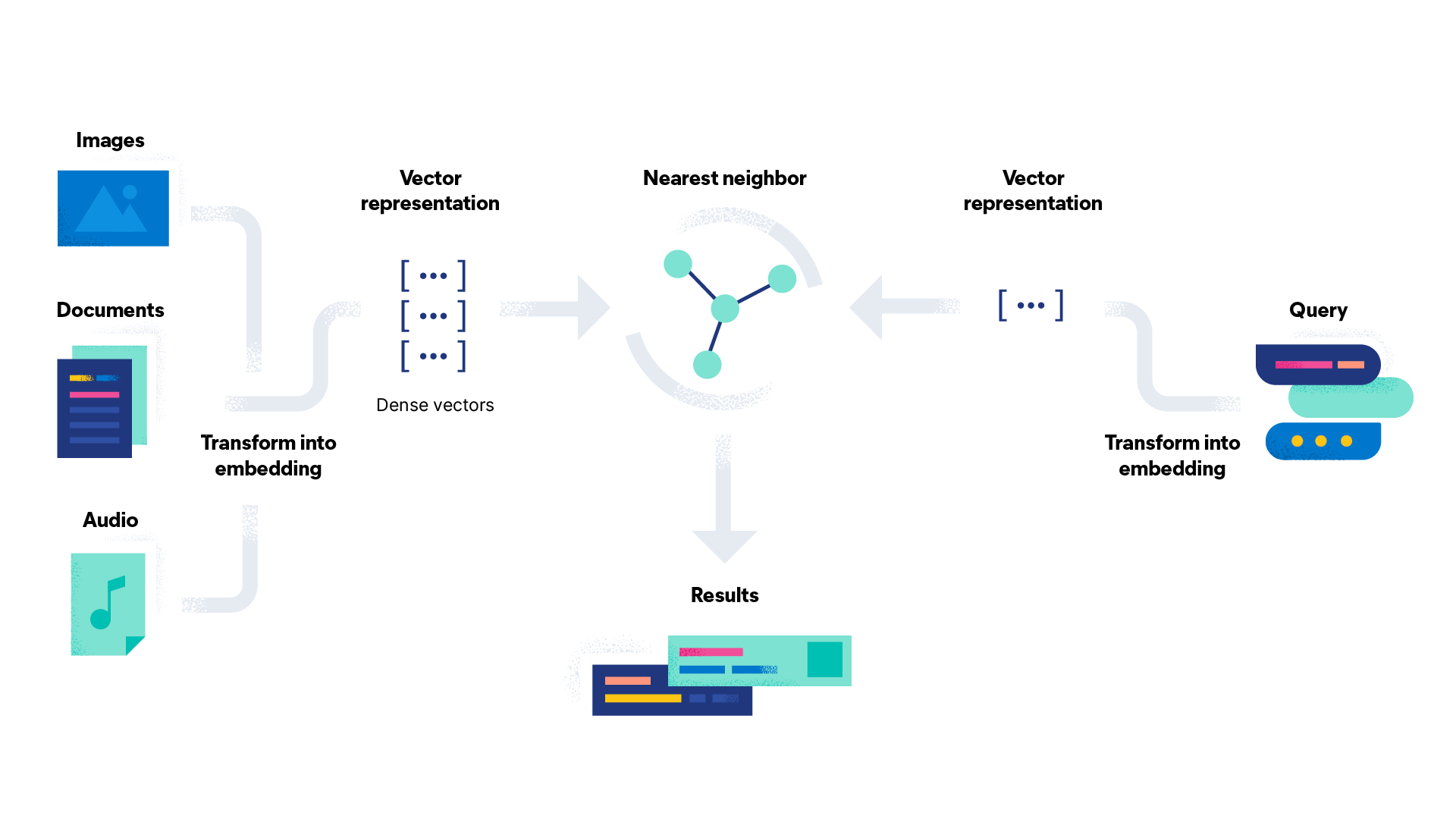
- Extending ChatGPT With LlamaIndex (GPT Index)
LlamaIndex, also known as the GPT Index, is a project that provides a central interface to connect your LLMs with external data. Yeah, you read that correctly. With LlamaIndex, we can build something that looks like the illustration below:
When designing for digital spaces, it’s natural to default to digital mockup tools, but doing so cuts out a world of possibilities. Analog drawing can unleash your imagination and allow you to focus on what’s most important at the start: the ideas.

Variable fonts with a custom relative font weight axis ("GRAD") help to avoid layout shifts when transitioning font-weight.

🧠 Memory Bot 🤖 — An easy up-to-date implementation of ChatGPT API, the GPT-3.5-Turbo model, with LangChain AI's 🦜 — ConversationChain memory module with Streamlit front-end. With the emergence of…